
Publications
-

The Origins of Redshift in a Static Universe
Read more: The Origins of Redshift in a Static UniverseAbstract There is increasing observational evidence from the Hubble Space Telescope and the James Webb Space Telescope missions that we do not inhabit an expanding universe as described by the ΛCDM cosmological model, but rather a static universe. Such a universe has been postulated as the natural consequence of an extended theory of gravity that is based on the Exochronous (timeless) metric, ΣGR. The main challenge that faces any static universe model is the need to account for the observed cosmological redshift-distance relationship, as defined by the Hubble parameter.…
-
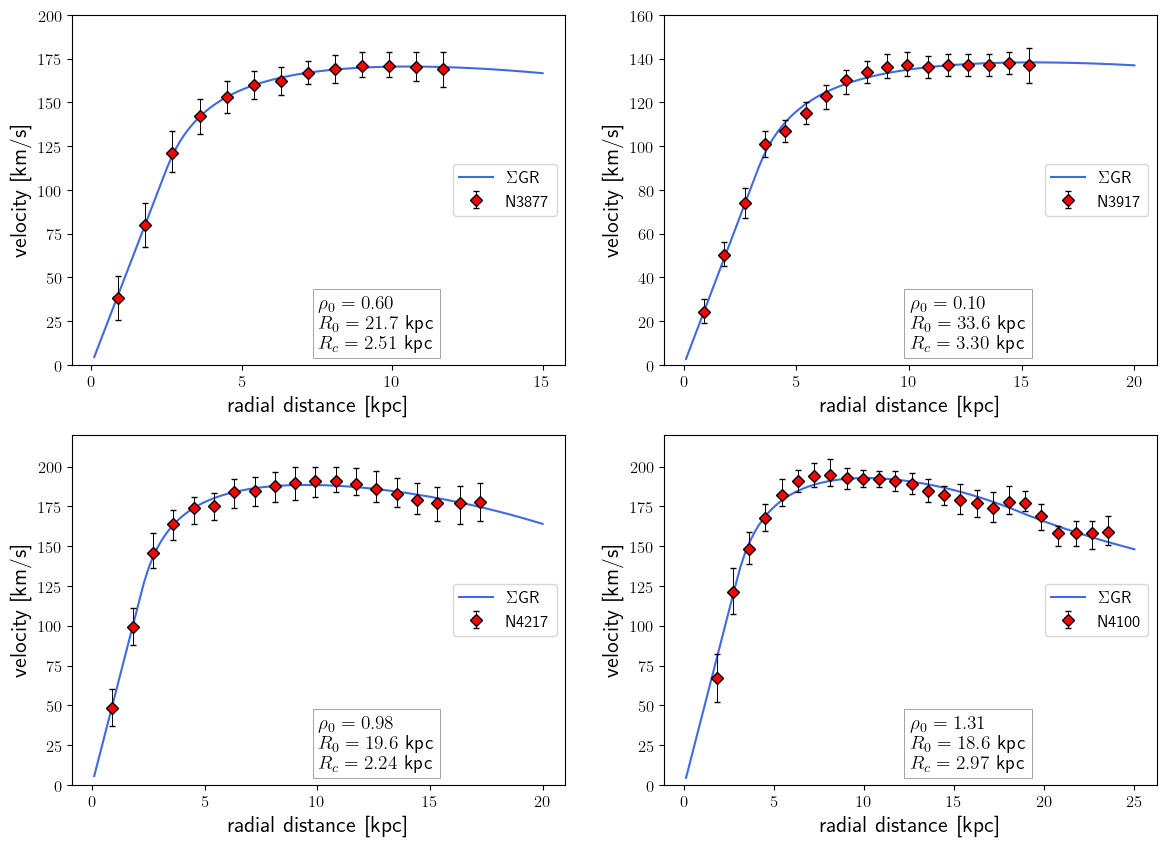
Flattened Galaxy Rotation Curves in the Exochronous Metric
Read more: Flattened Galaxy Rotation Curves in the Exochronous MetricAbstract We examine some of the consequences of the Exochronous (timeless) metric and the associ-ated ΣGR cosmological model for the formation of galaxies, and, in particular, their characteristicrotation curves. We show how the cumulative curvature from the multiple spatial hypersurfaces inthis model leads to a modified version of the Poisson equation, in which the gravitational potentialis computed over 4D space. Using this new form of the Poisson equation, we derive an analyticexpression for gravitational potential as a function of radial distance for a uniform gas cloud un-dergoing gravitational collapse.…
-
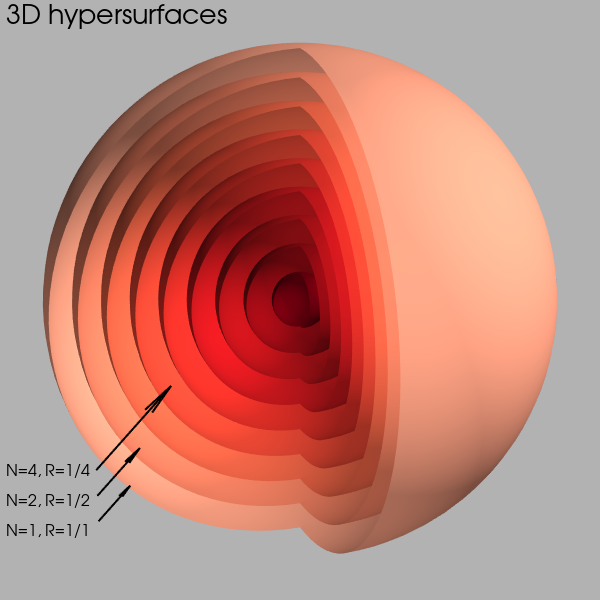
The Exochronous Universe: a static solution to the Einstein field equation
Read more: The Exochronous Universe: a static solution to the Einstein field equationAbstract Arguably our current cosmological paradigm, the so-called ΛCDM `concordance model’, faces an existential crisis. This has largely been brought about by its reliance on the twin concepts of dark matter and dark energy, and the continued inability of the observational and theoretical physics community to find viable candidates for these postulated phenomena. While it is still possible that this search will eventually prove successful, it is perhaps worthwhile looking at alternatives, and in particular, re-examining the very foundations of our current cosmological model to see whether an entirely new…
-
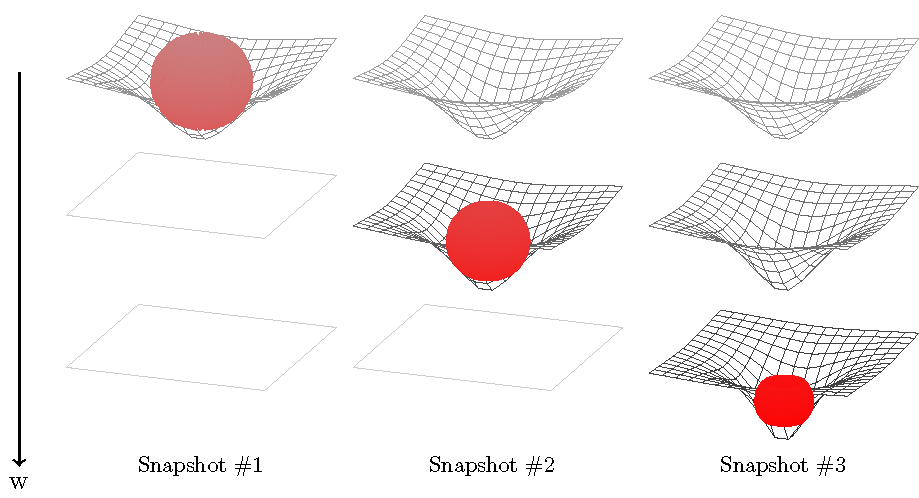
The Holochronous Universe: time to shed some light on the Dark Sector?
Read more: The Holochronous Universe: time to shed some light on the Dark Sector?Abstract We describe a novel interpretation of the time dimension in General Relativity: the Holochronous Principle, and show that the application of this principle in standard cosmological situations is able fully to account for the effects currently attributed to Dark Matter in observational phenomena such as galactic rotation curves and gravitational lensing.We re-evaluate the role of the Friedman equations in defining a time varying spacetime metric, and in their place postulate a model that is based on the ‘shrinkage’ of baryons in a gravitational field to account for the…
-
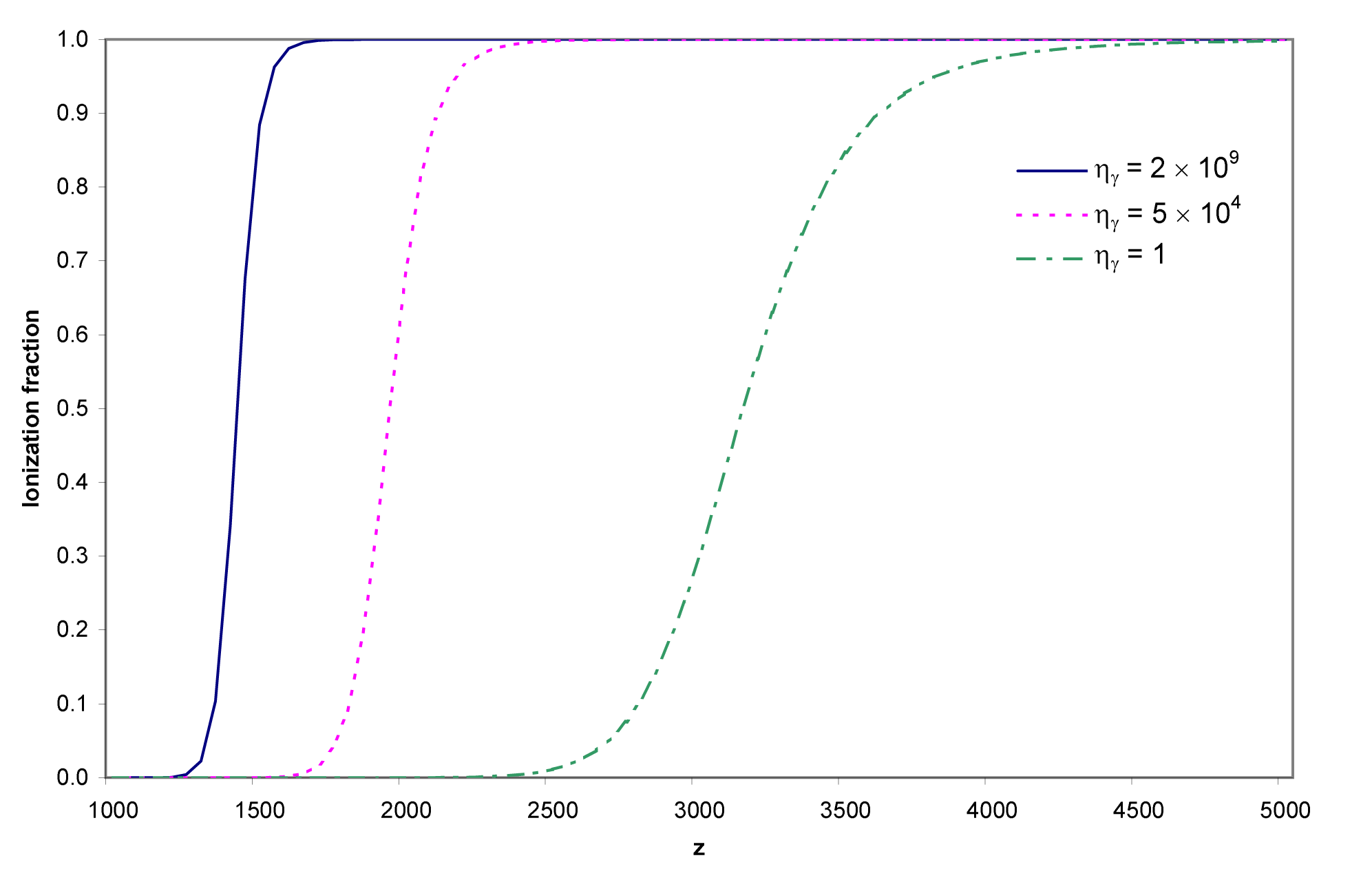
Predicted behaviour of a universe with a low photon-baryon ratio
Read more: Predicted behaviour of a universe with a low photon-baryon ratioAbstract A fundamental assumption inherent in the standard ΛCDM Hot Big Bang (HBB) model is that matter-antimatter annihilations shortly after the birth of the universe give rise to a vast excess of photons over baryons. Alternative cosmological models imply a much lower photon-baryon ratio, ηγ. We examine some of the consequences of ηγ≃1 for a number of cosmological processes, within the framework of Machian General Relativity, in which photon energy is an invariant in the cosmological reference frame. Full Text http://scitation.aip.org/content/aip/proceeding/aipcp/10.1063/1.3460189
-
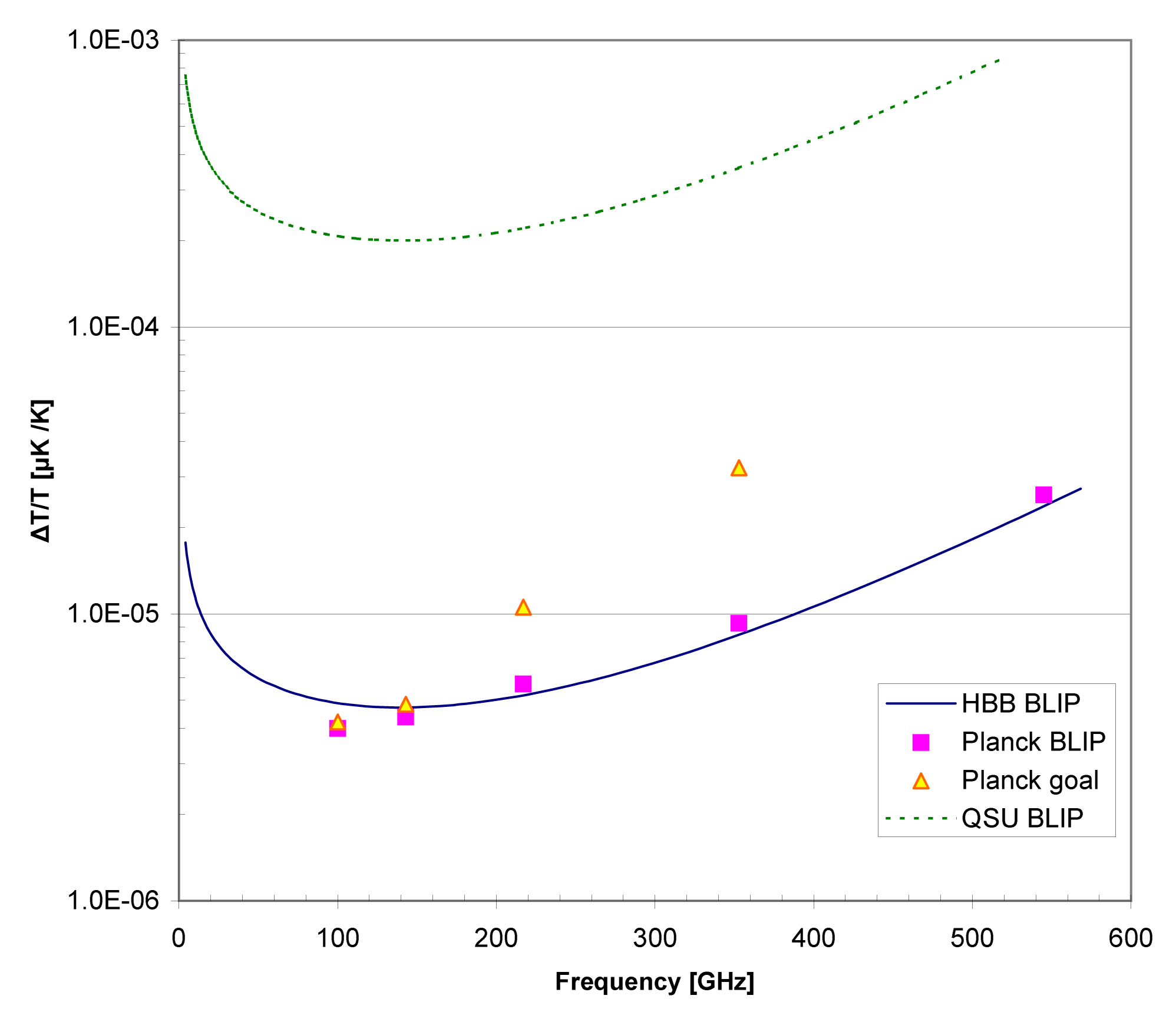
Anomalous photon noise levels predicted for CMB measurements made by the Planck satellite mission
Read more: Anomalous photon noise levels predicted for CMB measurements made by the Planck satellite missionA fundamental assumption inherent in the standard ΛCDM Hot Big Bang (HBB) model is that photons lose energy as they are redshifted due to the expansion of the universe. We show that for the Quasi-Static Universe (QSU) model, in which photon energy is an invariant in the cosmological reference frame, the photon number density in the universe today is a factor of approximately 1600 less than in the standard model. We examine some of the consequences for a number of processes that occur during the thermal history of the…
-
Reassessment of the GZK cutoff in the spectrum of UHE cosmic rays in a universe with low photon-baryon ratio
Read more: Reassessment of the GZK cutoff in the spectrum of UHE cosmic rays in a universe with low photon-baryon ratioAbstract A prediction of standard Big Bang cosmology is that the observed UHECR (ultra-high-energy cosmic rays) spectrum will exhibit a cutoff at the GKZ limit, resulting from interaction with the photons that constitute the cosmic microwave background. We show that for the Quasi-Static Universe (QSU) model, in which photon energy is an invariant in the cosmological reference frame, the photon number density in the universe today is a factor of 109 less than in the standard model. As a consequence, the mean free path of UHECRs will exceed the horizon distance…
-
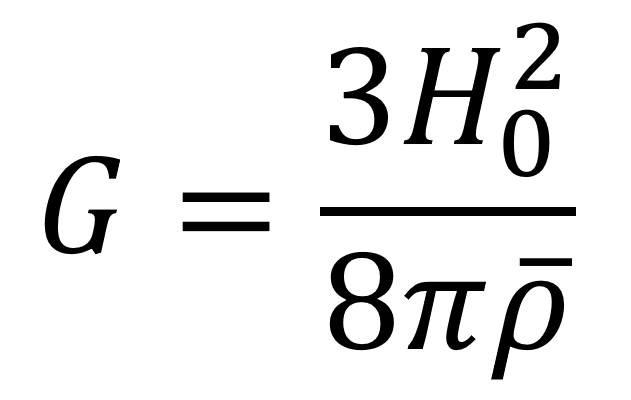
Scale invariant gravity and the quasi-static universe
Read more: Scale invariant gravity and the quasi-static universeAbstract We highlight the fact that the lack of scale invariance in the gravitational field equations of General Relativity results from the underlying assumption that the appropriate scale for the gravitational force should be linked to the atomic scale. We show that many of the problems associated with cosmology and quantum gravity follow directly from this assumption. An alternative scale invariant paradigm is proposed, in which the appropriate scale for General Relativity takes the Universe as its baseline, and the gravitational force does not have any fixed relationship to…
-
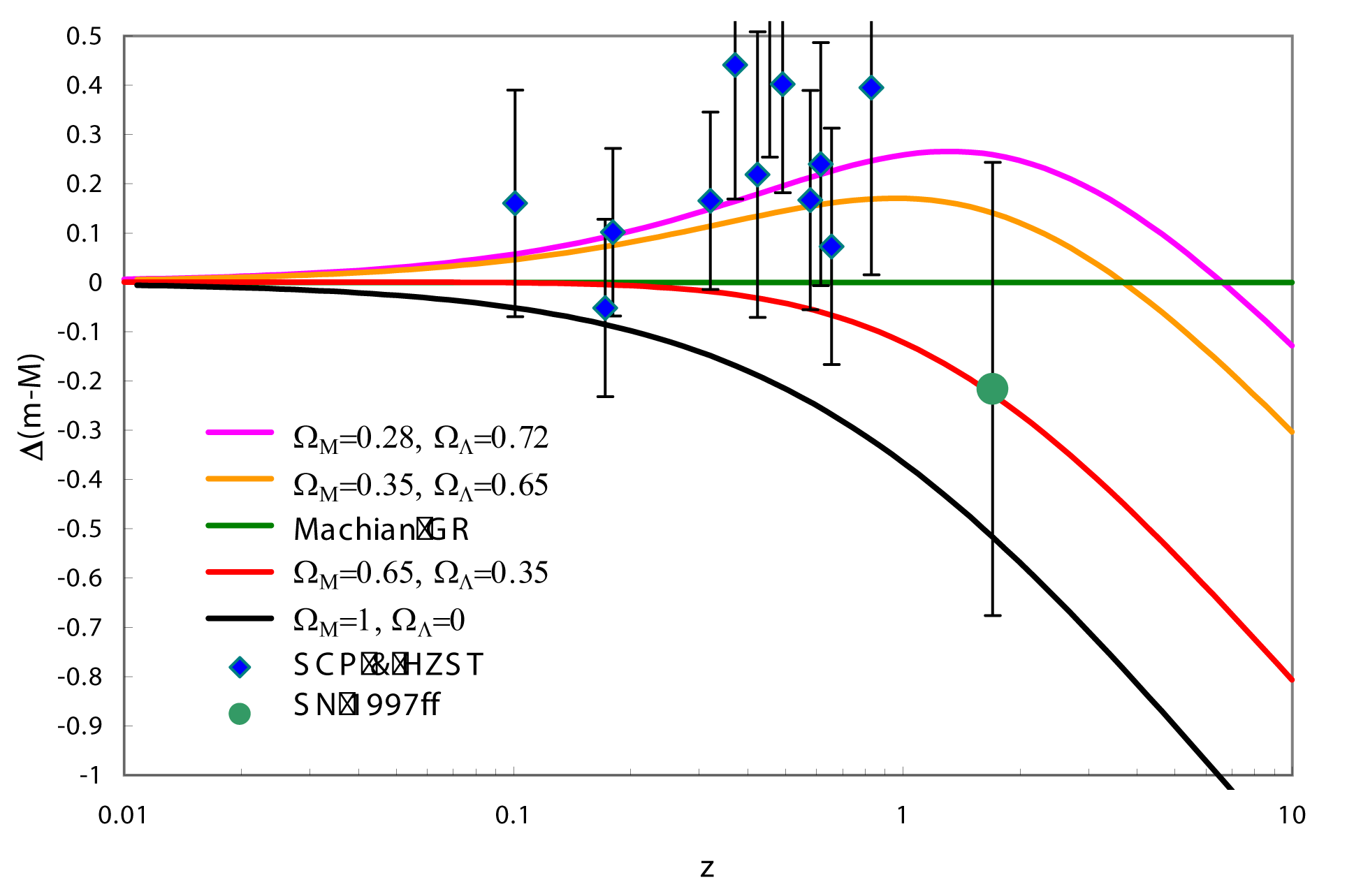
Machian General Relativity: a possible solution to the Dark Energy problem, and a replacement for Big Bang cosmology
Read more: Machian General Relativity: a possible solution to the Dark Energy problem, and a replacement for Big Bang cosmologyAbstract Observations of an apparent acceleration in the expansion rate of the universe, derived from measurements of high-redshift supernovae, have been used to support the hypothesis that the universe is permeated by some form of dark energy. We show that an alternative cosmological model, based on a linearly expanding universe with Ω=1, can fully account for these observations. This model is also able to resolve the other problems associated with the standard Big Bang model. A scale-invariant form of the field equations of General Relativity is postulated, based on the…