
Presentations
-
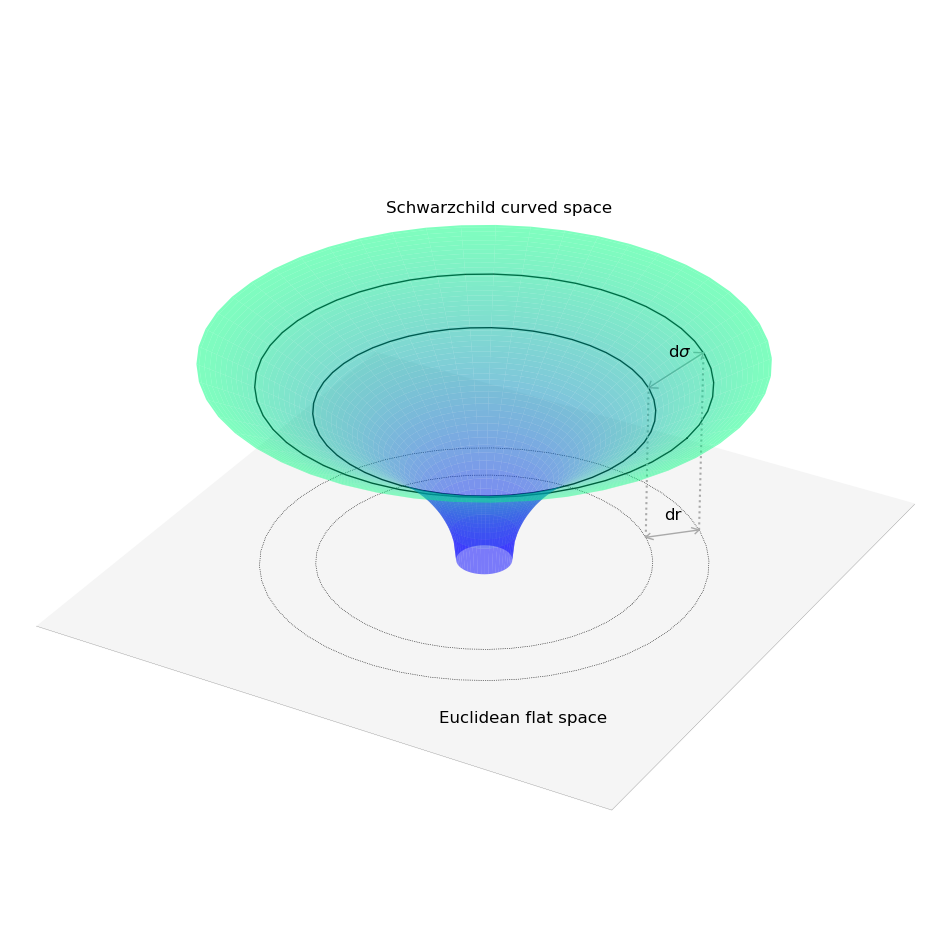
The Jeans Contraction – poster presentation
Read more: The Jeans Contraction – poster presentationPresentation given to Demysticon Conference, Sesimbra, Portugal, on 13th June 2025.
-
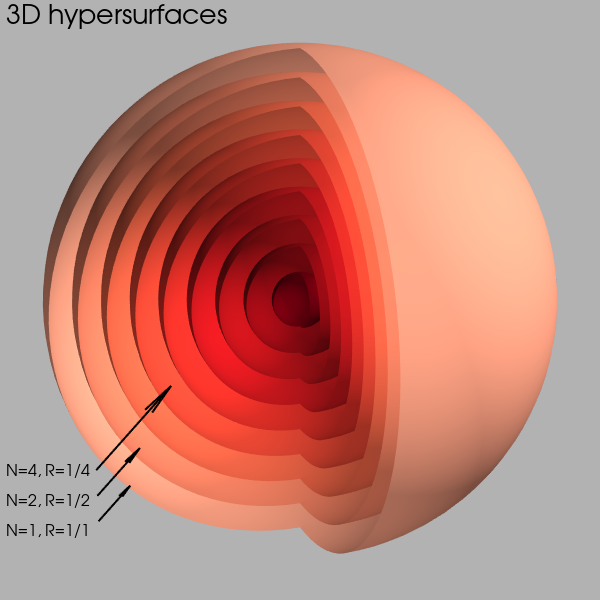
The Exochronous Universe – Poster Presentation
Read more: The Exochronous Universe – Poster PresentationPoster presentation given to Demysticon Conference, Sesimbra, Portugal, on 13th June 2025
-
The Jeans Contraction
Read more: The Jeans ContractionThe origins of redshift in a static universe Abstract There is increasing observational evidence from the HST and the JWST missions that we do not inhabit an expanding universe as described by the ΛCDM cosmological model, but rather a static universe. Such a universe has been postulated as the natural consequence of an extended theory of gravity that is based on the Exochronous (timeless) metric. The main challenge that faces any static universe model is the need to account…
-
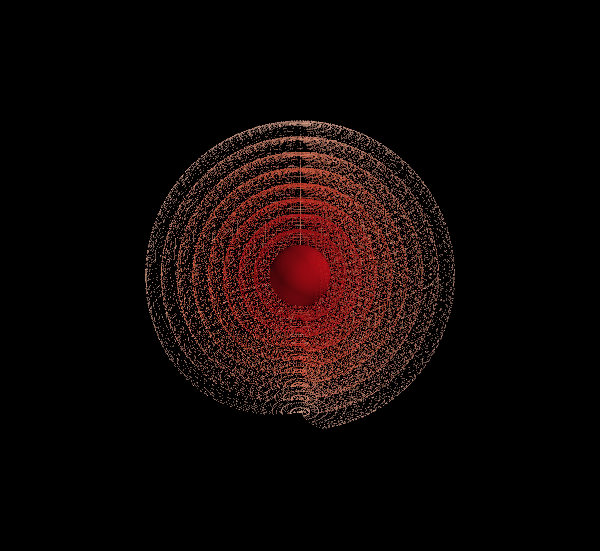
Is time up for the FLRW universe?
Read more: Is time up for the FLRW universe?Presentation to the South Coast Cosmology Conference, 11 April 2022 This is an embedded Microsoft Office presentation, powered by Office.
-
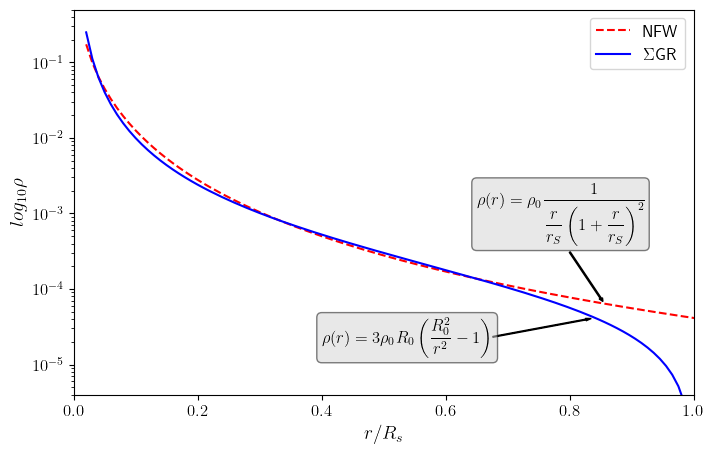
Universe 4.0 – Part 2: lighting up the Dark Sector
Read more: Universe 4.0 – Part 2: lighting up the Dark SectorAbstract Following on from Part 1, this presentation shows how the exochronous metric is able to mimic the effects of Dark Matter, and in doing so, is able to account for the observed flat galactic rotation curves. I also show that a simple modification to the standard N-body simulation code is able to reproduce the effects previously ascribed to dark matter, in terms of being able to generate large scale structure in the universe. (Presentation first given to the…
-
Universe 4.0 – Part 1: introducing the exochronous metric
Read more: Universe 4.0 – Part 1: introducing the exochronous metricAbstract This presentation expands on the overview given in “Universe 4.0 – a prospectus”. I review the strengths and weaknesses of the current ΛCDM concordance model, and identify the FLRW metric as the probable cause of many of the issues facing this model. I present an alternative static metric in which all four dimensions are spatial, i.e. there is no time dimension; time being a derived or emergent quantity in this “exochronous” metric. Unlike the original Einstein static metric,…
-
Universe 4.0 – a prospectus
Read more: Universe 4.0 – a prospectusAbstract Let’s face it, our current cosmological paradigm, the so-called ΛCDM “concordance model” of Universe 3.x (where x≈7), is getting somewhat dated. Arguably, it is no longer fit for purpose. Time then for a rethink, and a vision of what a totally redesigned universe – Universe 4.0 – might look like. I start with a brief overview of the history of cosmology over the past 4000 years or so, up to the present day, highlighting the common errors of…
-
Predicted behaviour of a universe with a low photon-baryon ratio
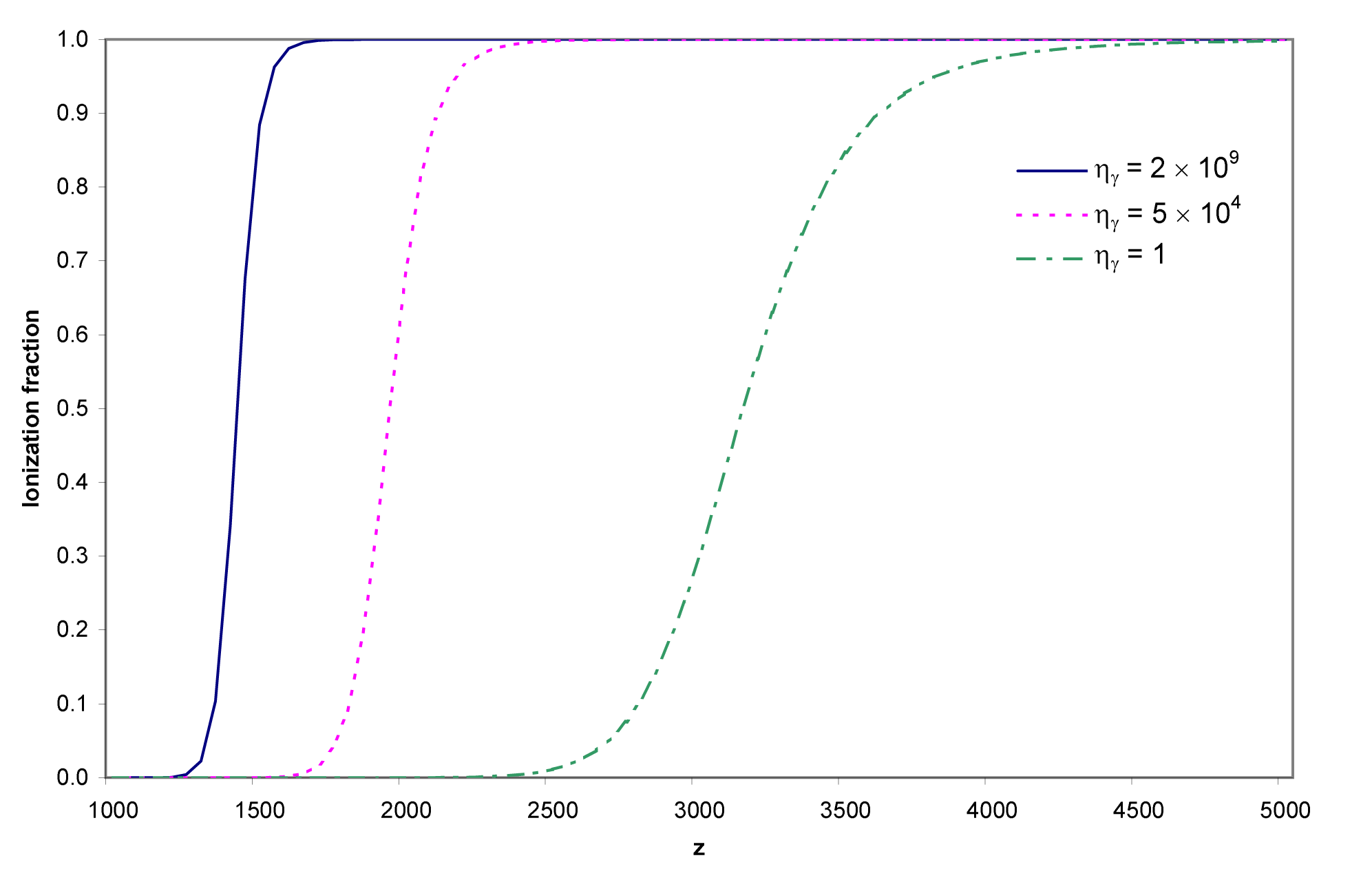
Read more: Predicted behaviour of a universe with a low photon-baryon ratioAbstract A fundamental assumption inherent in the standard ΛCDM Hot Big Bang (HBB) model is that matter-antimatter annihilations shortly after the birth of the universe give rise to a vast excess of photons over baryons. Alternative cosmological models imply a much lower photon-baryon ratio, ηγ. We examine some of the consequences of ηγ≃1 for a number of cosmological processes, within the framework of Machian General Relativity, in which photon energy is an invariant in the cosmological reference frame.(Presentation given to the 10th International…
-
The Resonant Universe
Read more: The Resonant UniverseAbstract A cosmological model based on Machian General Relativity can be shown to result in a universe in which the cosmic scale factor increases linearly as a function of time. This provides a reasonably close fit to the cosmic dynamics inferred from observations of supernova redshifts, but does not fully account for the observed cosmic acceleration. This simple model assumes a universe which begins in a state of static equilibrium between the gravitational and electromagnetic forces. A variant of…
-
The Quasi Static Universe
Read more: The Quasi Static UniversePresentation first given to Queen Mary College, London, in July 2001. This is an embedded Microsoft Office presentation, powered by Office.